For nearly two generations, Gia-fu Feng and Jane English's bestselling translation of the Tao Te Ching has been the standard for those seeking access to the wisdom of Taoist thought. Now Jane English and her long-time editor, Toinette Lippe, have revised and refreshed the translation so that it more faithfully reflects the Classical Chinese in which it was first written, taking into account changes in our own language and eliminating any lingering infelicities. They have retained the simple clarity of the original rendering of a sometimes seemingly obtuse spiritual text, …
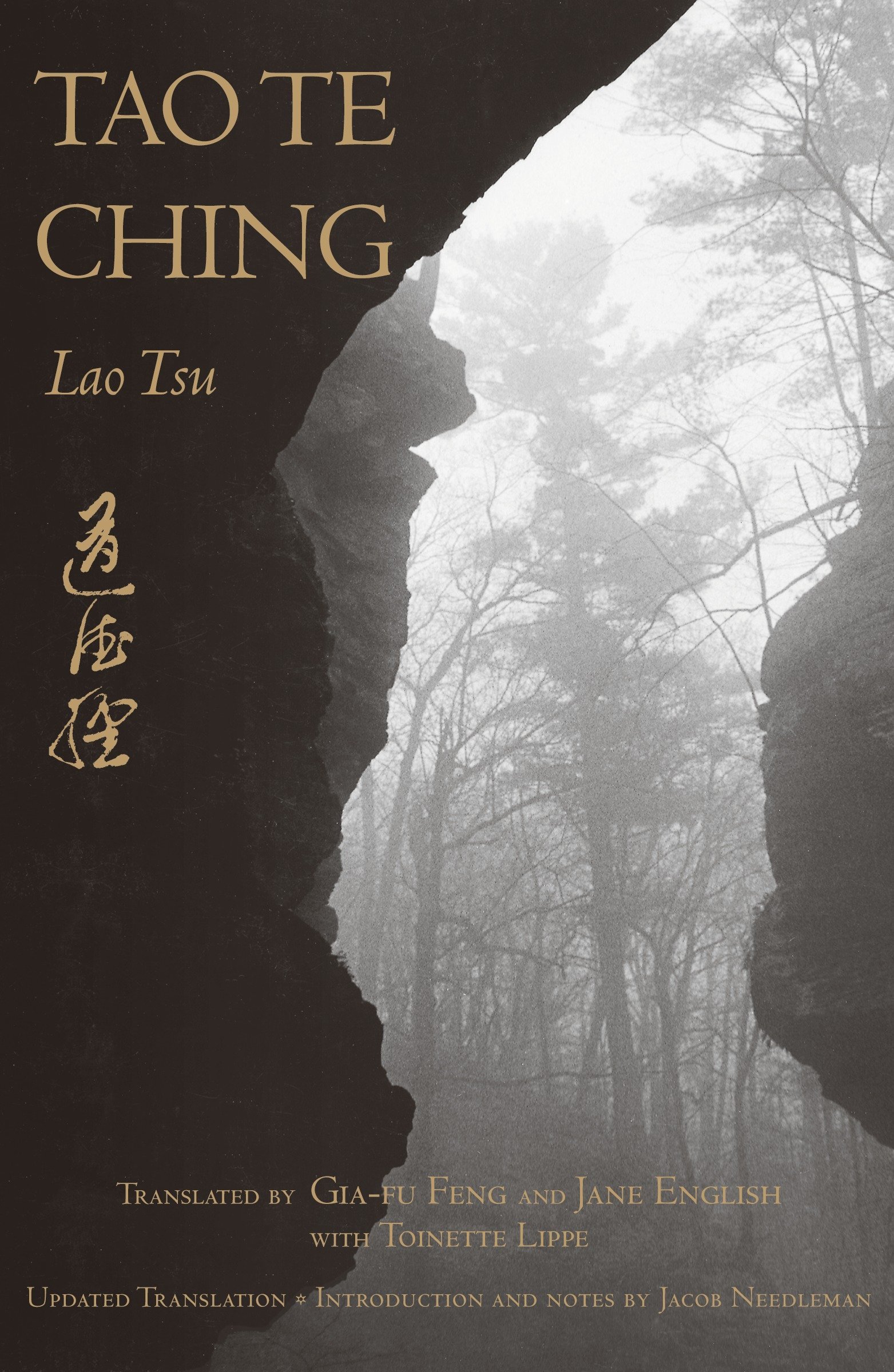
For nearly two generations, Gia-fu Feng and Jane English's bestselling translation of the Tao Te Ching has been the standard for those seeking access to the wisdom of Taoist thought. Now Jane English and her long-time editor, Toinette Lippe, have revised and refreshed the translation so that it more faithfully reflects the Classical Chinese in which it was first written, taking into account changes in our own language and eliminating any lingering infelicities. They have retained the simple clarity of the original rendering of a sometimes seemingly obtuse spiritual text, a clarity that has made this version a classic in itself, selling over a million copies.
Written most probably in the sixth century B.C. by Lao Tsu, this esoteric but infintely practical book has been translated into English more frequently than any other work except the Bible. Gia-fu Feng and Jane English's superb translation—the most accessible and authoritative modern English translation—offers the essence of each word and makes Lao Tsu's teaching immediate and alive. This edition includes an introduction and notes by the well-known writer and scholar of philosophy and comparative religion, Jacob Needleman.
Le Guin's translation of the Tao Te Ching is lovely. She keeps a lot of the poetic obscurity—which is also where a lot of insight is—and she doesnt shy from presenting an interpretation of the work as a whole, which strengthens the presentation greatly. There are fewer contradictions and odd asides, and there are plenty of notes in places where Le Guin took liberties, explaining both what she did and why she felt it was necessary.
Any edition of the Ching is lovely to read through, but Le Guin's strikes a balance between poetry and teaching that feels just right. Absolutely fantastic.
Profound. A beautiful text, even if I can't really comment on the translation. I've been wanting to explore Taoism between my Zen studies and I'm glad I reached out to this before any commentary on it, so I got to experience it unadulterated. A book that I will most likely read many times in the years to come.