Clothbound, 352 pages
Langue : English
Publié 26 septembre 2024 par Brandeis University Press.
Clothbound, 352 pages
Langue : English
Publié 26 septembre 2024 par Brandeis University Press.
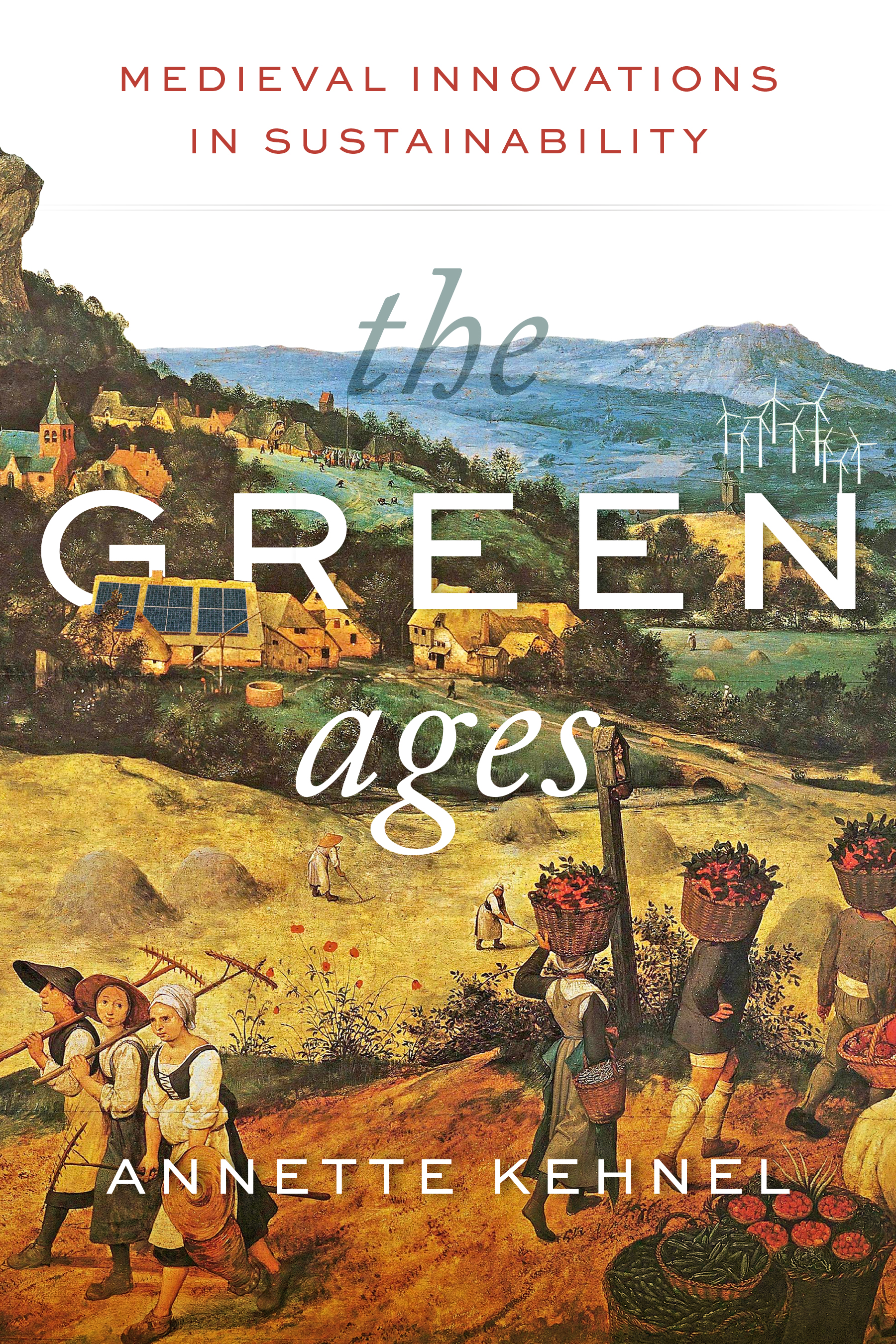
In this fascinating meld of history and ecological economics, the author uncovers the medieval precedents for modern concepts of sustainable living.
Communities that operated a barter trade system on the Monte Subiaco in Italy. Sustainable fishing at Lake Constance. Common lands in the UK. Transient grazing among Alpine shepherds in the south of France. Crowdfunding to finance bridges in Avignon.
These are just some of the sustainability initiatives from the Middle Ages that Annette Kehnel illuminates in The Green Ages. From the mythical-sounding City of Ladies and their garden economy to early microcredit banks, Kehnel uncovers a world at odds with what we think of as the typical medieval existence. Pre-modern history is full of inspiring examples and concepts that are ripe for rediscovery. And we urgently need them as today’s challenges—finite resources, the twilight of consumerism, growing inequality—threaten what we have come to think of as a …
In this fascinating meld of history and ecological economics, the author uncovers the medieval precedents for modern concepts of sustainable living.
Communities that operated a barter trade system on the Monte Subiaco in Italy. Sustainable fishing at Lake Constance. Common lands in the UK. Transient grazing among Alpine shepherds in the south of France. Crowdfunding to finance bridges in Avignon.
These are just some of the sustainability initiatives from the Middle Ages that Annette Kehnel illuminates in The Green Ages. From the mythical-sounding City of Ladies and their garden economy to early microcredit banks, Kehnel uncovers a world at odds with what we think of as the typical medieval existence. Pre-modern history is full of inspiring examples and concepts that are ripe for rediscovery. And we urgently need them as today’s challenges—finite resources, the twilight of consumerism, growing inequality—threaten what we have come to think of as a modern way of living sustainably. This is a stimulating and revelatory look at a past that has the power to change our future.