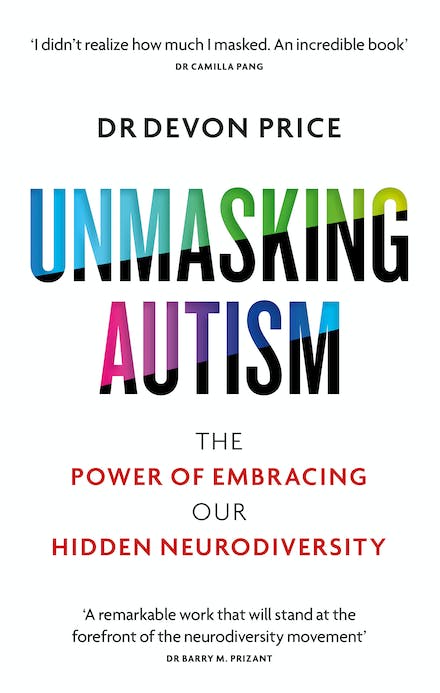

moss books a publié une critique de Unmasking Autism par Devon Price
A book I wish it would be translated into > 50 languages
5,0 stars
Radical and intriguing, this isn't the common book about Autism that you find in bookshelves, especially not written in languages other than English. This groundbreaking book, written by an Autistic and transgender author, is all about those hidden, 'masked' Autistics, especially from intersectionally marginalised populations, like Black, trans, women and other marginalised genders, and people with other disabilities on top.
Dr. Price takes a radical approach of harm reduction and social justice, identifying how much harm the ableist & capitalist society inflicts on Autistics (and on other neuro-divergent and disabled people, but really on everyone), forcing them into obscuring their disabilities, so that they can conform to 'normality' and function in an alienating, industrial society that punishes our quirks. The book helps neurodivergent people identifying their disability (seen from the social model of disability), and guides neuro-divergent people how they can actualise their own identity and identity their own …
Radical and intriguing, this isn't the common book about Autism that you find in bookshelves, especially not written in languages other than English. This groundbreaking book, written by an Autistic and transgender author, is all about those hidden, 'masked' Autistics, especially from intersectionally marginalised populations, like Black, trans, women and other marginalised genders, and people with other disabilities on top.
Dr. Price takes a radical approach of harm reduction and social justice, identifying how much harm the ableist & capitalist society inflicts on Autistics (and on other neuro-divergent and disabled people, but really on everyone), forcing them into obscuring their disabilities, so that they can conform to 'normality' and function in an alienating, industrial society that punishes our quirks. The book helps neurodivergent people identifying their disability (seen from the social model of disability), and guides neuro-divergent people how they can actualise their own identity and identity their own values and worthiness. Because society often does not permit this, the book also aims to change society itself.
Throughout the book, we are guided through Heather R. Morgan's Values-Based Integration Process, which I still want to go through, especially as I am about to start a new chapter in my own life.
The only thing I really do not like about the book is that it is only available in English. There are huge knowledge gaps and language barriers when it comes to #ActuallyAustic, as lot of great resources on Autism written by Autistic authors are only available in English. As a consequence, a lot of stereotypes about (especially masked) autism still persist. I think translations of this and similar books could really counter them.
Books written from the perspective of intersectionally are very valuable. Personally, I really enjoyed that the author is transgender himself, and there are a lot of things I could personally identify with in his story and in the stories of the diverse set of interviewed Autistics.